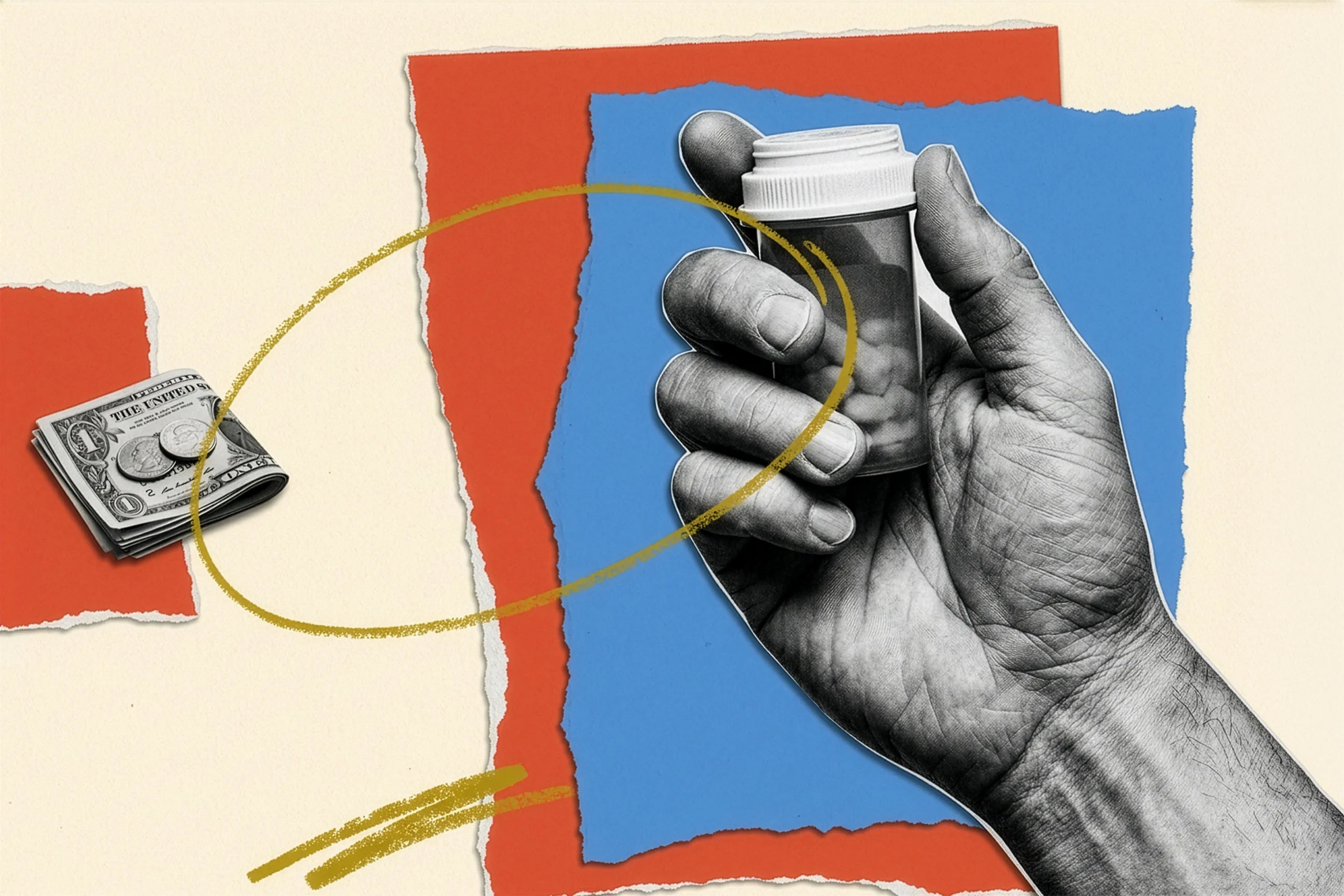
Grandparents are often quick to help their young loved ones, and scammers take advantage.
Voiceovers, fake phone numbers and personal information from social media allow sophisticated fraudsters to trick adults into thinking their grandchildren, nieces, nephews and other relatives are in trouble. The Federal Bureau of Investigation’s 2025 Internet Crime Report found that by 2025, victims claimed to have lost more than $5 million to grandparent scams, or “distress” scams. Here’s what you need to know to stay safe.
What is a ‘granny scam’
Scammers can pretend to be your grandchild, but they can also pretend to be authoritative and say your grandchild needs money urgently. They may pretend to be a police officer, lawyer or hospital worker, for bail, car accidents and medical bills that need to be paid.
Fraudsters can use artificial intelligence to make the act more believable by including the voices of relatives, and social networks often provide them with a trove of personal information to exploit. This technology makes it easier for scammers to target victims at a higher rate, which makes it even more important to stay alert and aware of these types of scammers.
Red flags families should know
The payment method is a big indicator of a scam. For example, if a scammer asks you to send money via gift cards, crypto, wire transfers or payment apps – which are very difficult to get back – beware. The scammer may also pretend to be your grandchild and ask you not to tell other family members, which is a huge red flag. Bring another set of trusted eyes to help you determine if you are being scammed.
A combination of vague details, great urgency, covert requests and unexpected calls are also signs of a scam. Take a moment to pause if you receive this type of call. Fraudsters use fear and urgency to lure victims and get them to do what they want.
What to do before sending money – and after paying
If you receive a call and are not sure if it is legitimate, it is usually best to hang up immediately and call the grandchild directly. You can also call a family member directly if your grandchild does not pick up the phone.
You can also establish a family “safe word” or passphrase in advance. Scammers may sound like people you love, but if they don’t know a safe word or passphrase, you can quickly discover their true intentions.
In case you have sent the money, immediately contact the company you used for the payment method. If you paid with a gift card, call the company if you can get a representative right away. If not, send an email immediately. This also applies to crypto platforms, banks, payment apps or any other company you used to pay the scammer.
Speed is of the essence here, as fraudsters may be in a rush to spend funds, making recovery nearly impossible. Even if you don’t get your money back, these actions can lead to an investigation that limits the scammer’s ability to contact other victims. You can report scams to the Federal Trade Commission through its website: