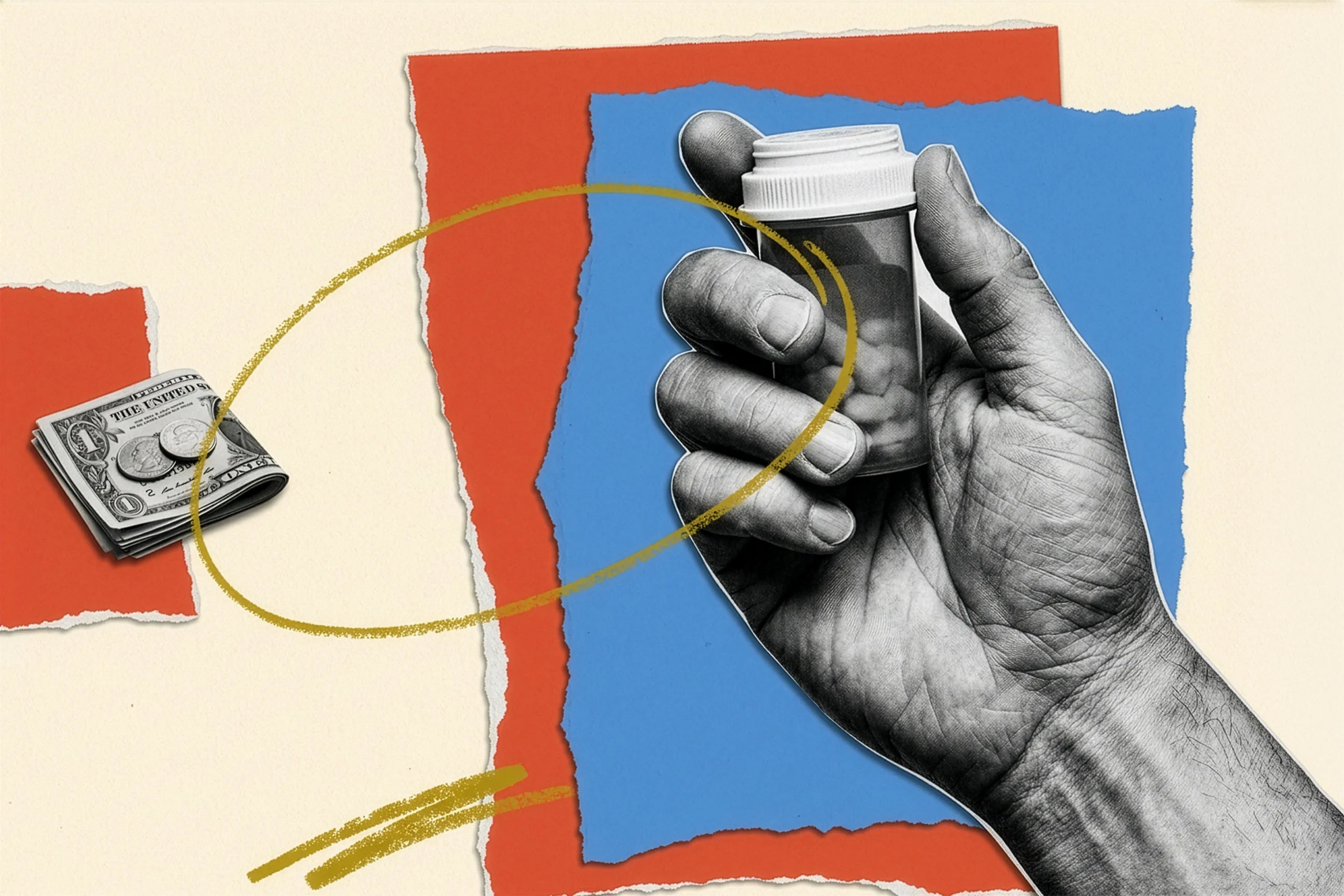
For years, many part-time workers were prohibited from making 401(k) contributions to their employers’ plans. But the SECURE Act and the SECURE 2.0 Act expand access to part-time workers.
Here’s what you need to know about how the law opened the door for long-term, part-time workers to contribute to 401(k) plans.
How did the rules change for part-time workers?
Under the old rules, an employee had to work 1,000 hours a year for the company to qualify for the 401(k) plan. That comes to 20 hours a week for 50 weeks. However, the SECURE Act, passed in 2019, created a new opening.
Employees who are 21 or older and have worked part-time for the same company for three consecutive years may qualify for a 401(k) plan. The requirement is that these workers had to work at least 500 hours in each of those three years. SECURE 2.0, which passed in 2022, took it a step further and made it possible for part-time workers to qualify after two years of working 500 hours a year.
Eligibility does not guarantee an employer match, but you can start contributing to a 401(k) plan. Your program may also have different check-in dates and administration rules if you are a part-time employee.
Who is likely to benefit the most
Part-time workers can be very successful, and they can have a big impact in industries that employ many part-time workers who may not reach 1,000 hours of work time per year, such as retail, restaurants and seasonal work.
The 500-hour milestone only requires working about 10 hours per week for 52 weeks. However, you have to do something to get a 401(k) plan. Ask your HR department or program director if you are considered a long-term employee and if you are allowed to participate in your employer’s 401(k) plan. That is known as your check-in date.
You should also ask about how the 401(k) plan works. Will you get employer matches? Can you choose between traditional and Roth? What funds are available? These important questions can help you plan properly when you can start donating.
Why this is important to saving for retirement
Enrollment in your employer’s 401(k) plan is a great way to save for retirement, even if you don’t get a match. Deductions are automatic, meaning you don’t have to do anything extra on your end to start building a nest egg. You can save money on taxes right now with a traditional 401(k) or pay no taxes on qualified withdrawals if your money goes into a Roth 401(k) plan.
You can still contribute to an individual retirement account (IRA), but 401(k) plans have much higher contribution limits, allowing you to save more money each year. Every little contribution can add up to a long career and give you more financial flexibility in retirement. Part-time workers may have a more difficult time maxing out their accounts, but these retirement plans provide a higher ceiling that they can use if possible.