Choosing the wrong forex trading platform can cost more than a bad trade. Slow execution, unclear payments, weak management, or poor support can affect your results before you develop the right strategy. In 2026, traders don’t just want access to currency pairs. They need platforms that help them act quickly, manage risk, understand market movements, and protect their investments.
A good forex platform should make trading easy without hiding the real costs or risks. Whether you are a beginner comparing brokers for the first time or an active trader looking for better tools, the same key features are important: processing speed, legality, security, usability, analytics, payments, and customer support.
Field Features Defining Trade Value in 2026
Choosing a forex platform is one of the first decisions that can shape your trading experience. The right platform should not only give you access to the market but also support fast, secure, and reliable decision-making. Traders check a number of factors before committing to a platform, but a few non-negotiables stand out. Anywhere online platform for forex markets it must demonstrate measurable performance in quality of use, security infrastructure, and regulatory posture before investing a single dollar. These are not marketing checkboxes. Performance levels directly affect your P&L on every trade you make. Platforms can show transparent data on the speed of order execution or can tell the financial authority that gives them licenses that are worth your time in 2026, no matter how polished the interface looks.
Execution Speed and Platform Reliability
Execution speed is one of the most important aspects of a trading platform, especially in fast-moving forex markets. Prices can change in milliseconds. If your order is delayed during a major news release, you may end up with a worse-than-expected price. That difference is called slippage, and it can reduce profits or increase losses over time.
A strong platform should be clear about its functionality. Traders should look at average execution speed, order rejection rates, and how often orders are filled at the requested price. This data shows whether the platform can perform under real market pressure.
Honesty is very important. A platform that freezes during high volume hours or shuts down during important economic announcements creates unnecessary risk. The best platforms invest in strong server infrastructure, stable mobile apps, and backup systems that minimize downtime. In 2026, traders should expect smooth performance during the London and New York sessions, when market activity tends to be high.
Legal and Safety Standards
Regulation should be one of the first things you check before opening a trading account. A regulated platform must follow the rules set by the financial authorities. These rules may include capital requirements, reporting standards, client fund protection, and general auditing.
For traders, regulation adds an important layer of security. It does not eliminate the risk of trading, but it reduces the risk of dealing with an unreliable or untrustworthy company. The platform should clearly state which jurisdiction it regulates, where the company is registered, and how client funds are handled.
Safety is also important. Two-factor authentication, encrypted login, secure payment processing, and account activity alerts are now standard expectations. Client funds must be kept separate from the company’s operating funds. This is known as fund separation, and helps protect traders if the trader faces financial problems.
A trusted platform should also be clear about its security history. If there was a problem in the past, the company should explain what happened and what steps were taken to fix it.
Interface Design and Mobile Commerce
A trading platform can have many features, but if the interface is confusing, those features lose value. Traders need to move quickly from market analysis to placing orders. A good interface should make this process easier.
Clear charts, easy order entry, customizable layouts, and easy account navigation all enhance the trading experience. Traders should be able to place stop loss and take profit orders without opening too many menus. They should also be able to monitor open positions, margin levels, and account balance without confusion.
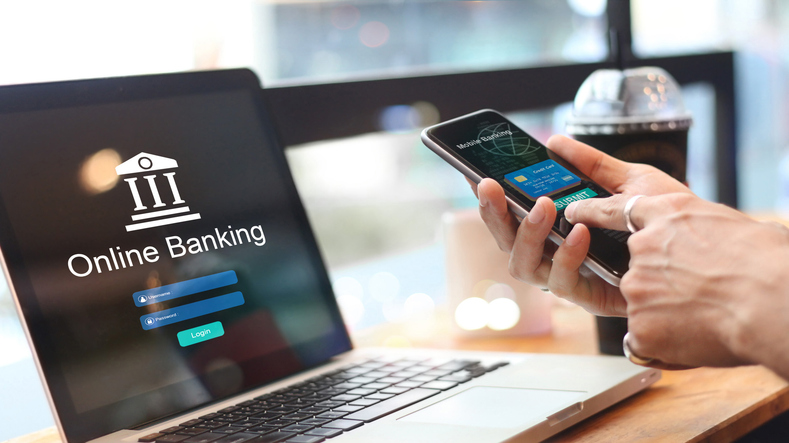
Mobile trading is now a big part of forex trading. Many traders view positions, adjust orders, and track price movements from their phones. A mobile app shouldn’t feel like a limited version of a desktop platform. It should include live quotes, charting tools, order management, alerts, and secure login options.
Before choosing a platform, it is wise to test both the desktop and mobile versions. The platform may look good on screenshots but it performs badly when the markets are running.
Analytics and Market Intelligence
Today’s traders need more than price charts. By 2026, robust platforms include tools that help traders understand market conditions clearly. These tools may include economic calendars, volatility alerts, sentiment data, technical indicators, and integrated market news.
The best analytical tools work. They help traders make faster and better informed decisions without confusing them. For example, an economic calendar linked directly to a chart can help traders see how a currency pair reacts to previous inflation reports, interest rate decisions, or employment data.
Emotional tools can also be helpful. They may show how other traders are positioned on a particular currency pair. This does not guarantee where the market will go, but it can add context to your analysis.
However, marketers should be wary of platforms that use the word “advanced” loosely. A long list of references does not always mean a better analysis. The tool should be easy to understand, align with your strategy, and be clear about how the data is calculated.
Transparent Fees and Trading Costs
Costs can make a big difference in trading results. Some platforms advertise lower spreads, but full charges may include commissions, overnight fees, withdrawal fees, currency conversion fees, or unemployment fees.
A marketer should never judge a platform by the headline alone. For example, a platform may promote very low spreads but charge a high commission per trade. Some platform may have no commission but spread widely during busy market times. The actual cost depends on your trading style.
Scalpers and day traders are affected more by spreads and commissions because they place more trades. Swing traders may care more about overnight exchange rates because they have long positions. Before opening an account, traders should review the full financial plan and calculate what the costs will look like based on their trading habits.
A robust platform should make all funds easily accessible and straightforward. Hidden costs are a warning sign.
Customer Support and Learning Resources
Customer support becomes essential when something goes wrong. Delayed withdrawals, login issues, declined orders, or account verification issues can be stressful if support is slow or unhelpful.
In 2026, sellers should expect live chat, email support, and clear help documentation. The best platforms also have support teams that understand real trading issues, not just basic account questions. Fast support is especially important for active traders who may need help during market hours.
Educational resources also add value, especially for new traders. A useful platform may include demo accounts, trading guides, webinars, market commentary, and risk management courses. The best education is practical and connected to real trading situations.
A demo account is very useful because it allows traders to test the platform without risking real money. It should use real market prices and include the same essential tools as the live platform.
The conclusion
The forex trading platform to use in 2026 is not defined by one impressive feature. It should work well for all full trading experience. Fast processing, strong control, reliable security, clear design, useful statistics, reliable pricing, and responsive support are all important.
Before investing, traders should check the platform, learn the payment plan, check the regulatory license, and try the support system. A good platform should make trading manageable and informative, not confusing. The right option is the one that supports your strategy, protects your account, and performs well when the market moves quickly.