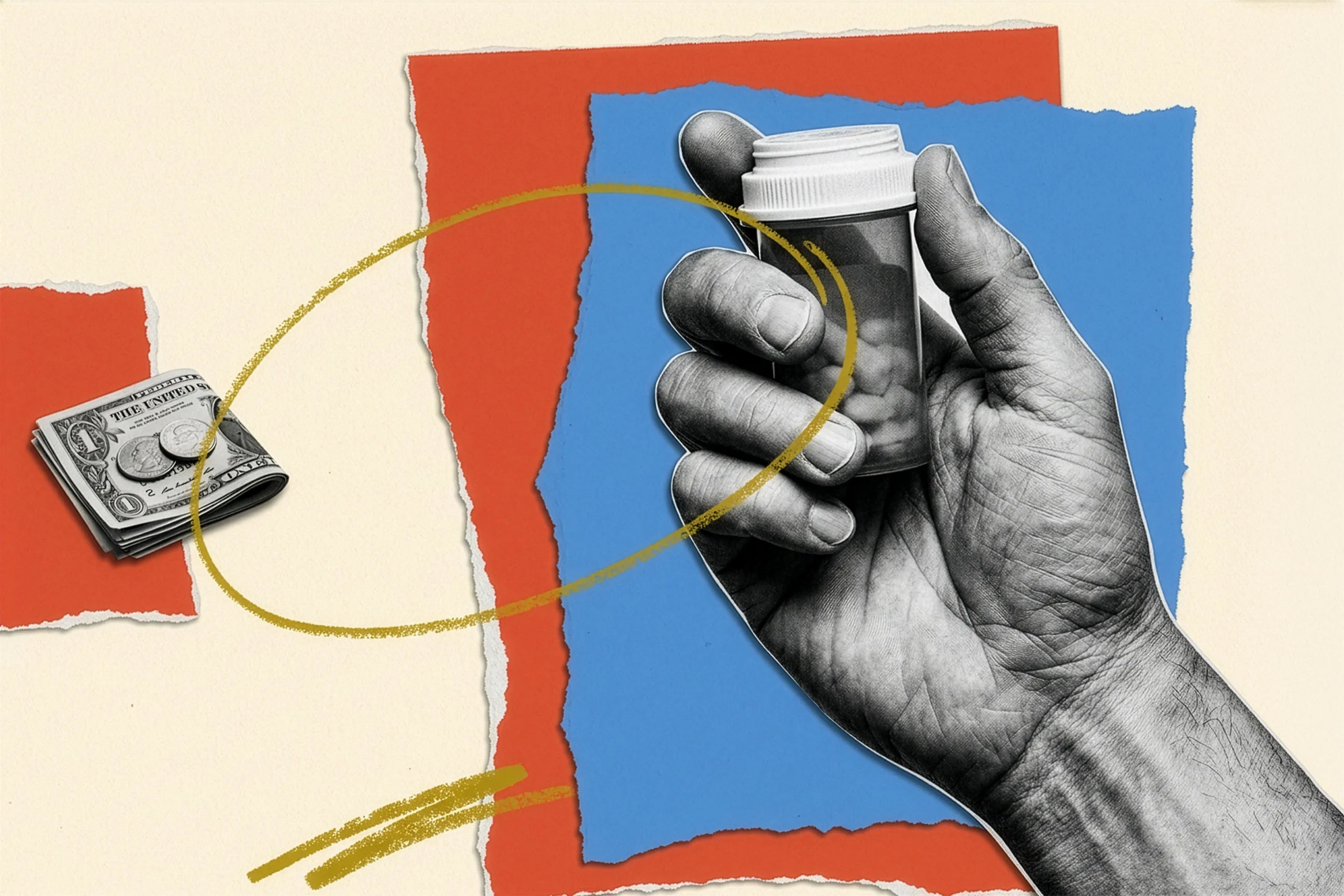
American adults are often victims of online and digital scams. Last year, people age 60 and older filed 201,266 complaints and saw an estimated loss of $7.7 billion — up 59% from 2024, according to the Federal Bureau of Investigation’s 2025 online report. The average loss was $38,500, but 12,444 claimants lost more than $100,000.
As technology advances, there are many ways hackers can access your personal information. But one trick can be easily avoided: password theft. While it’s convenient to use the same password for multiple accounts, doing so comes with significant risk. If a hacker is able to steal your email password, they may also have access to your bank accounts, Medicare, Social Security and more if you don’t use a different password for every new account. A strong password strategy is key to keeping your information safe.
Why password reuse is dangerous especially in retirement
If you use the same password for many of your accounts, a weak link can create a huge risk. Although financial institutions and companies are investing heavily in cybersecurity, hackers still have access to confidential information.
It might not be a big deal if your password for one site gets hacked and you don’t use the same password elsewhere. You can confirm that your information and money are secure, report the situation if it is not and change the password. However, if you use the same password for all of your accounts, a hacker can access your bank account, make changes to your Social Security benefits, buy or take out a loan under your name and access other accounts.
You’re definitely not alone if you’ve been using the same password for all of your accounts, but it’s time to change your passwords. You can start by changing the passwords of your most important accounts and down the list. Remember that if a hacker gets into your email account, they may be able to reset passwords for banks, brokerages, retirement plans, credit cards, health care portals and anything else.
The Federal Trade Commission (FTC) has identity theft resources that can help victims. However, it is best to avoid becoming a victim at all by taking the extra time to secure your accounts.
What should retirees do?
It’s best to give all your accounts unique, strong passwords — an unpredictable sequence of letters, numbers and letters. Password management tools can store passwords on your behalf so you can have unique passwords without the hassle of logging into accounts.
You can also improve your online security by multi-factor authentication. A hacker who gets your username and password will have to type in a code sent to your smartphone, email or authentication app. Receiving a code without trying to log into your account may indicate that your account is compromised. Change your password immediately.
Retirees can share account access instructions with trusted contacts. That way, a friend or family member can access your account in an emergency.