As a dangerous heat wave pushes temperatures into the triple digits in many parts of the US this week, millions of Americans are relying on their air conditioners to stay cool.
But with AC units running overtime, many households may also see their electricity bills rise. The National Energy Assistance Directors Association projects that the average US household will spend about $792 on electricity during the June to September cooling season of this year – up more than 10% from last summer.
Fortunately, energy experts say there’s a thermostat setting that can help strike a balance between staying comfortable and using less energy, and a few simple tricks that could lower your energy costs even more.
The best AC temperature to save money this summer
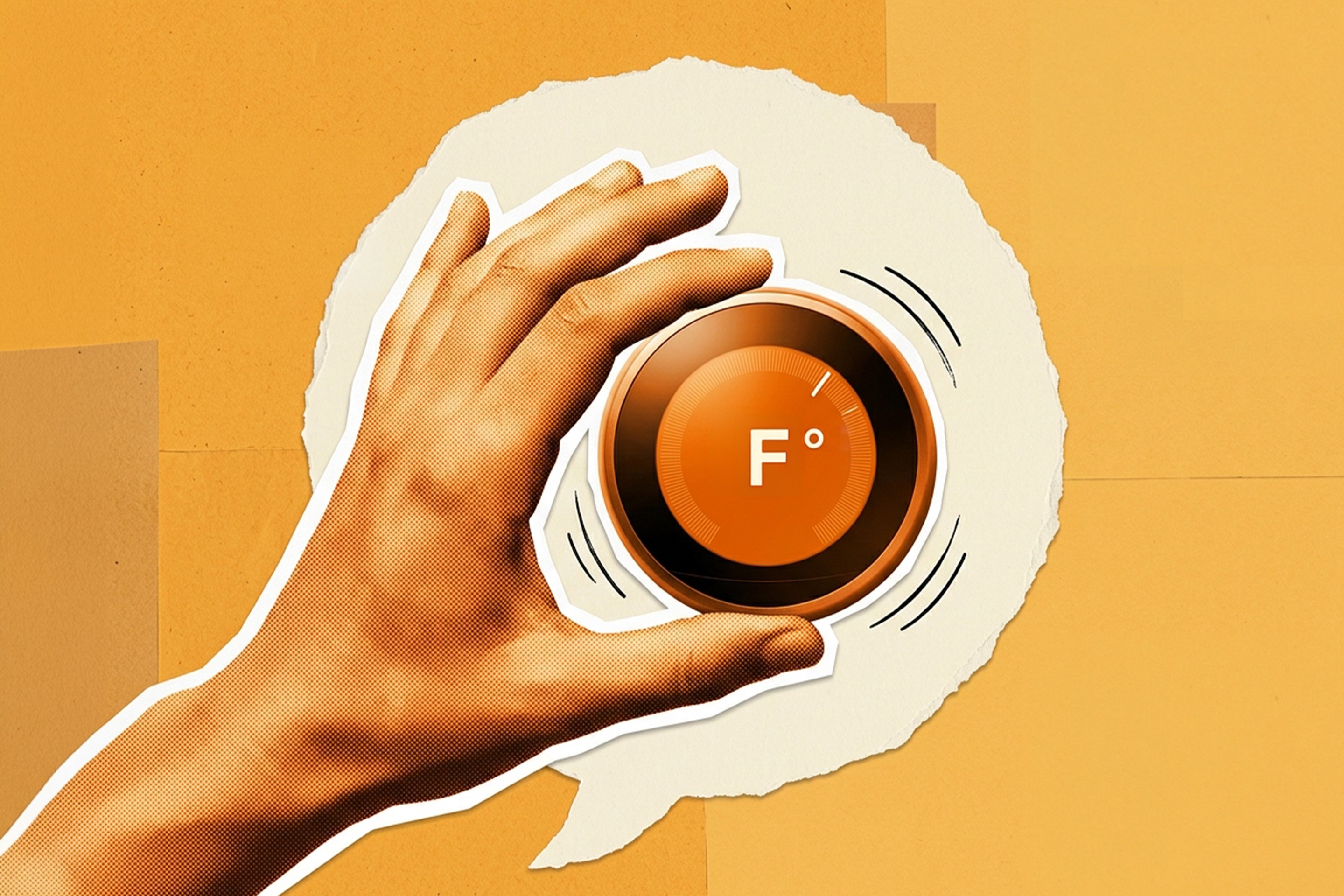
If you’re looking to reduce your cooling costs, many energy experts recommend setting your thermostat in the mid-70s and up while you’re at home and running the air conditioner, then turn it up as high as you can tolerate.
Energy Star, the energy efficiency program run by the Environmental Protection Agency, has long recommended 78 degrees as its benchmark for comfort and efficiency. Some say 76 is a sweet spot. Meanwhile, the Department of Energy recommends starting between 75 and 78 degrees.
It is also wise to raise the temperature when you are away from home to save more energy. A programmable or smart thermostat can make that easier to manage.
The idea is to keep your home as warm as possible, since the less your air conditioner has to run, the less energy it uses. That’s why even small adjustments can add up over time. According to the Cornell Cooperative Extension, raising your thermostat by just 1 degree can reduce cooling costs by about 3% to 5%.
However, the “right” thermostat setting depends on your home’s comfort level, budget, local climate and humidity, and factors such as your home’s insulation and window quality.
In fact, air coming in and out of windows accounts for about 25% to 30% of a residence’s heating and cooling energy use, which means the quality of windows and shutters can have a big impact on how hard your AC system has to work.
Some ways to reduce cooling costs this summer
Your thermostat isn’t the only place where small changes can help lower your electric bill. A few small fixes can help reduce how hard your AC system has to work in the summer:
- Use ceiling fans: Fans don’t actually lower the temperature, but they help circulate cool air, which makes the argument for turning up the thermostat more reasonable. A good rule of thumb: Run ceiling fans counterclockwise during the summer (and clockwise during the winter).
- Close curtains and blinds when the sun is too strong: Window coverings help block direct sunlight, prevent indoor temperatures from rising and reduce strain on your AC during the hottest parts of the day.
- Replace your HVAC filters regularly: Dirty air filters restrict airflow, forcing your AC system to work harder and use more energy. Experts generally recommend changing your filter every one to two months, although the ideal schedule depends on the type of filter and your family.
- Avoid using things that produce heat in the afternoon: Ovens, stoves and even dryers can heat up your home during the hottest hours of the day, forcing your AC to run longer. This can be seen especially in small areas.
- Seal gaps in windows and doors: Air leaks allow cool air to escape, increasing your cooling costs. Weatherstripping and caulking on doors and windows can help keep air in.