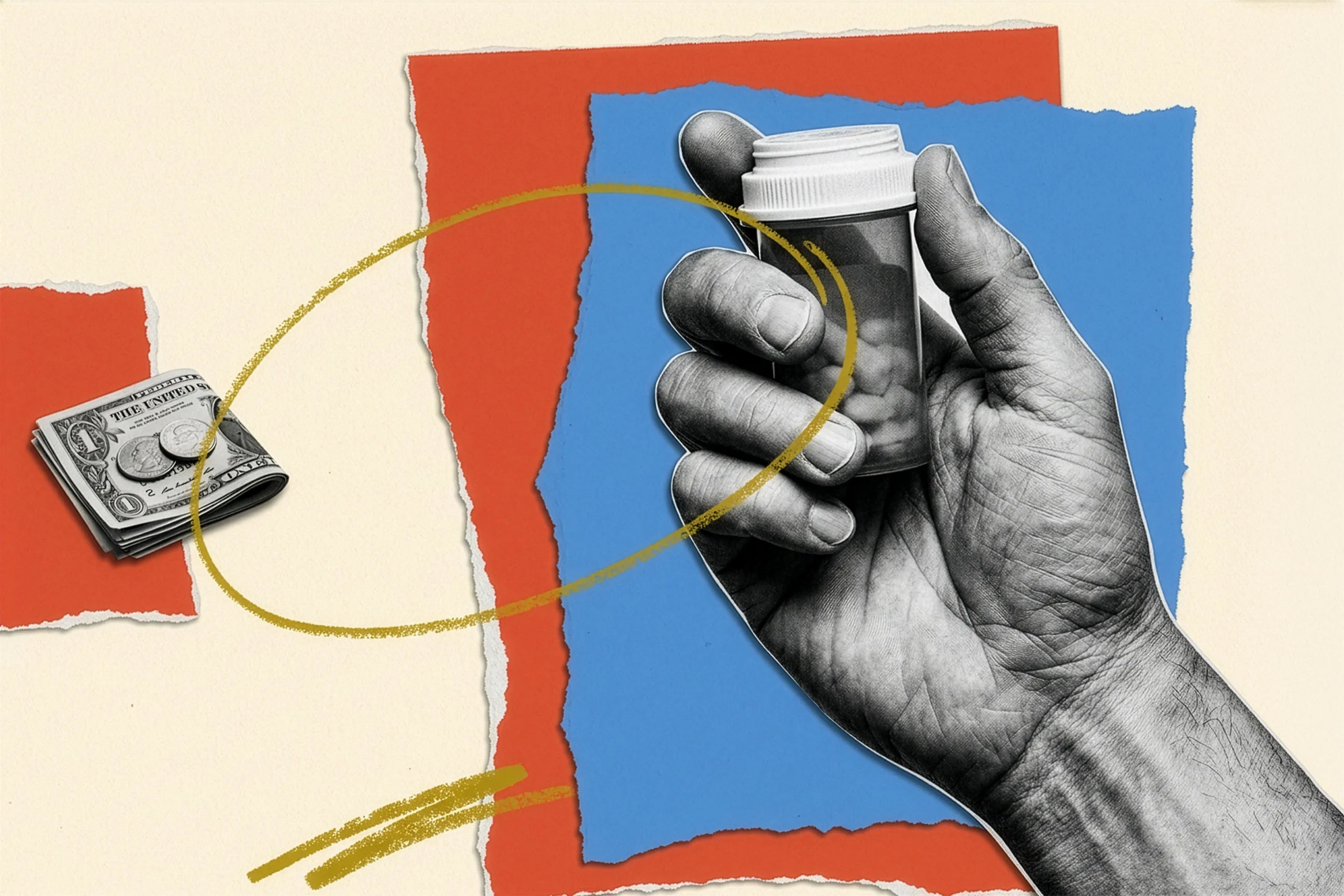
Many retirees on fixed incomes are already struggling to keep up with inflation. And if Congress doesn’t take action to address the looming Social Security deficit, the situation could soon worsen.
The basic Social Security trust fund from which retirement and survivor benefits are paid – the Old-Age and Survivors Insurance fund, or OASI, is now forecast to expire in 2032, one year earlier than last year’s estimate. Estimates point to a 75-year deficit of $30 trillion.
According to the Bipartisan Policy Center, the revised timeline is the result of changes enacted in the One Big Beautiful Bill. If a solution is not found before 2032, benefits for future and existing recipients are expected to be significantly reduced.
Bipartisan actions by Congress are rare, but lawmakers showed they are still possible last month with the passage of the 21st Century ROAD to Housing Act. However, that landmark legislation was years in the making, suggesting that a solution to the defunding of the OASI fund must proceed now or risk arriving too late.
“I’m not pessimistic,” said Warren Hurt, senior vice president and chief investment officer at F&M Trust. “There is no doubt that this issue needs to be addressed, but any necessary solution will require one or more politically unpopular decisions.”
Options may include increasing current employee contributions or reducing benefits. Another possible fix would be to raise the retirement age, something Congress hasn’t done since 1983.
In June, Reps. Tom Cole, R-Okla., and Tom Suozzi, DN.Y., introduced HR 9187, the Bipartisan Social Security Commission Act of 2026, giving lawmakers and outside experts the task of developing legislation to restore Social Security’s long-term solvency. The bill also ensures that the plan gets a floor vote.
HR 9187 would create a 13-member commission on Social Security’s long-term solvency. Members will be appointed by the president, congressional leaders of both parties and the chair and ranking members of the Ways and Means and Finance Committee. Additionally, at least one expert from each group can be an unselected, external reviewer.
But Hurt cautions that even if a deal is reached, the retirement landscape is likely to shift. For example, he says, the plan could include eliminating the $184,500 income contribution cap — the maximum amount of income subject to Social Security taxes paid by 2026. Salaries above that limit are currently exempt.
Also, young Americans are likely to bear the brunt of any future changes.
“The change will have to be big and unpopular despite being statistically necessary,” Hurt said. “Social Security reforms will and probably should be borne by high earners and young workers who have time to make the necessary changes.”
How much will Social Security payments go down if Congress doesn’t act?
While a congressional decision is necessary for recipients to avoid a devastating blow to their Social Security income, it is wise to prepare for the worst.
Risk management is an important part of any investment plan, and understanding what Social Security benefits could look like if Congress fails to fix the problem may leave you better prepared. Hurt says that’s especially true for one generational group.
“The liquidation of the trust fund will happen as the Gen X workers are about to retire,” he said. “That generation is particularly sensitive to benefit cuts because only 15-20% of Gen X workers are covered by a typical company pension.”
Under current law, Social Security cannot pay more than it collects once the trust funds are depleted. If Congress fails to act before 2032, the tax money will cover only 78% of the promised benefits, leaving many recipients looking for a solution.
The current average Social Security benefit is $2,084.40 per month. At less than 22%, that comes down to $1,625.84 per month. Annualized, that equates to a profit of $19,501.08 – close to the current federal poverty level of $15,960 for a one-person household.
Put another way: A 22% cut in Social Security benefits would put the median recipient’s income in 2026 just $3,541.08 above the federal poverty level. That’s just $295.09 a month above what is legally considered poor.
In monetary terms, in 2032, that would be $22,767.93 a year — or $1,897.32 a month — in Social Security benefits based on an average cost-of-living adjustment, or COLA, of 2.615% over the past two decades.
According to a recently published HealthView Services white paper on Social Security solvency, the reduction could be as much as $194,000 in lifetime Social Security income for the average couple. Couples who collect the maximum benefit can lose up to $509,000.
How to close the retirement income gap
The lack of private retirement funds by younger generations will be the biggest social and national problem of the next 25 years, according to Hurt, who says that making up for a 22% drop in Social Security income is “very difficult.” But for those who still have decades of planning ahead of them, it’s impossible.
“Young workers have time to adjust their spending and saving habits,” he said. “And they have the advantage of time and energy to mobilize on their side.
For workers nearing retirement, making sure your plans embrace a lump sum strategy can help fill the income gap. But for those who have already hung up their gloves, adjusting to reduced income is more difficult given their low risk tolerance and short investment horizons.
Rather than drawing down your accounts, consider refocusing your portfolio on productivity through a combination of high-quality, dividend-paying stocks and exchange-traded funds.
Most importantly, avoid being inactive. Congress’s failure to address the Social Security deficit will lead to inevitable adjustments to your retirement plans. Knowing that now can help you protect your finances.
Without a solution, Hurt says it’s likely that more Americans will delay retirement, and older adults will work part-time to try to make ends meet.
“Social Security was a castle built on sand from the beginning, [and] there is no magic bullet that can close the 22% income gap,” Hurt said.