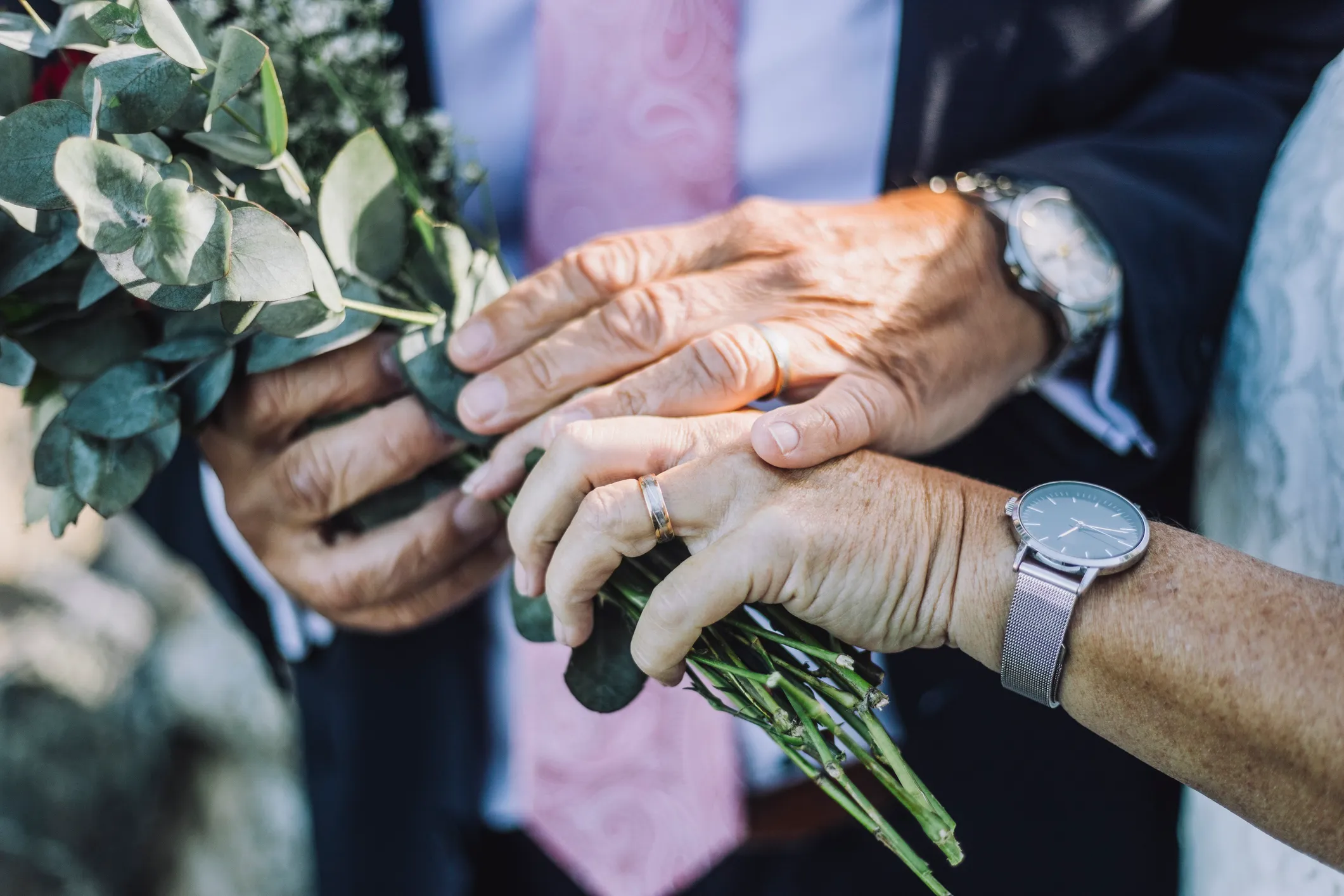
Some people find new love that leads to another marriage. While your finances may not be top of mind at the moment, there are some important money-related questions to get answers to – including Social Security.
It is important to understand the rules regarding survivor benefits based on your former spouse’s records. Here’s what you need to know and how your age affects your benefits.
60-year remarriage rule
Survivor benefits are monthly payments to eligible family members of people who paid Social Security taxes before they died. Sometimes, ex-spouses qualify.
If you remarry after age 60, you may be eligible for a survivor’s benefit. However, getting married before age 60 usually makes you ineligible for survivor benefits unless the new marriage ends due to divorce, death or annulment. The Social Security Administration handbook also states that a person with a disability can marry at age 50 or older without losing their former spouse’s benefit eligibility.
The rules are different for the general spousal benefits of a former living partner. You cannot get divorced spouse benefits based on your ex-spouse’s living record if you are remarried. Although if the new marriage ends, it may be appropriate again.
The standard spousal benefit only applies if you have been married to your ex-spouse for at least 10 years.
Why this legislation is important financially
The law can have a big impact on your long-term finances if Social Security is an important part of your retirement. The survivor benefit may be much higher than the benefit you would receive based on your salary. Remarriage before age 60 often prevents widows and widowers from receiving survivor benefits.
Although you can claim survivor benefits when you turn 60, you will receive a greater benefit if you wait until full retirement age to tap into your benefits. These benefits do not accumulate delayed retirement credits like regular benefits, so there is no financial incentive to wait until 70 before claiming survivor benefits.
This does not mean that you should delay marriage before you turn 60. However, it’s important to consider all your options, and how much the marriage will affect your finances if you have to rely on your benefit instead of the survivor’s benefit.
What you should check before marriage
The easiest thing to check is whether you will be 60 or older on the wedding day. People aged 59 can wait an extra year, but it’s more complicated to wait that long if you’re in your 40s or early 50s.
You should also check that the ordinary spousal benefit you will receive from your new spouse is greater than the survivor benefit you would receive from your deceased spouse. The Social Security Administration website has many resources and tools to help you estimate your benefits in various situations.
Social Security isn’t the only thing you should check before remarrying. Marrying a new spouse can also affect Supplemental Security Income, payments related to a survivor’s pension and other benefits.