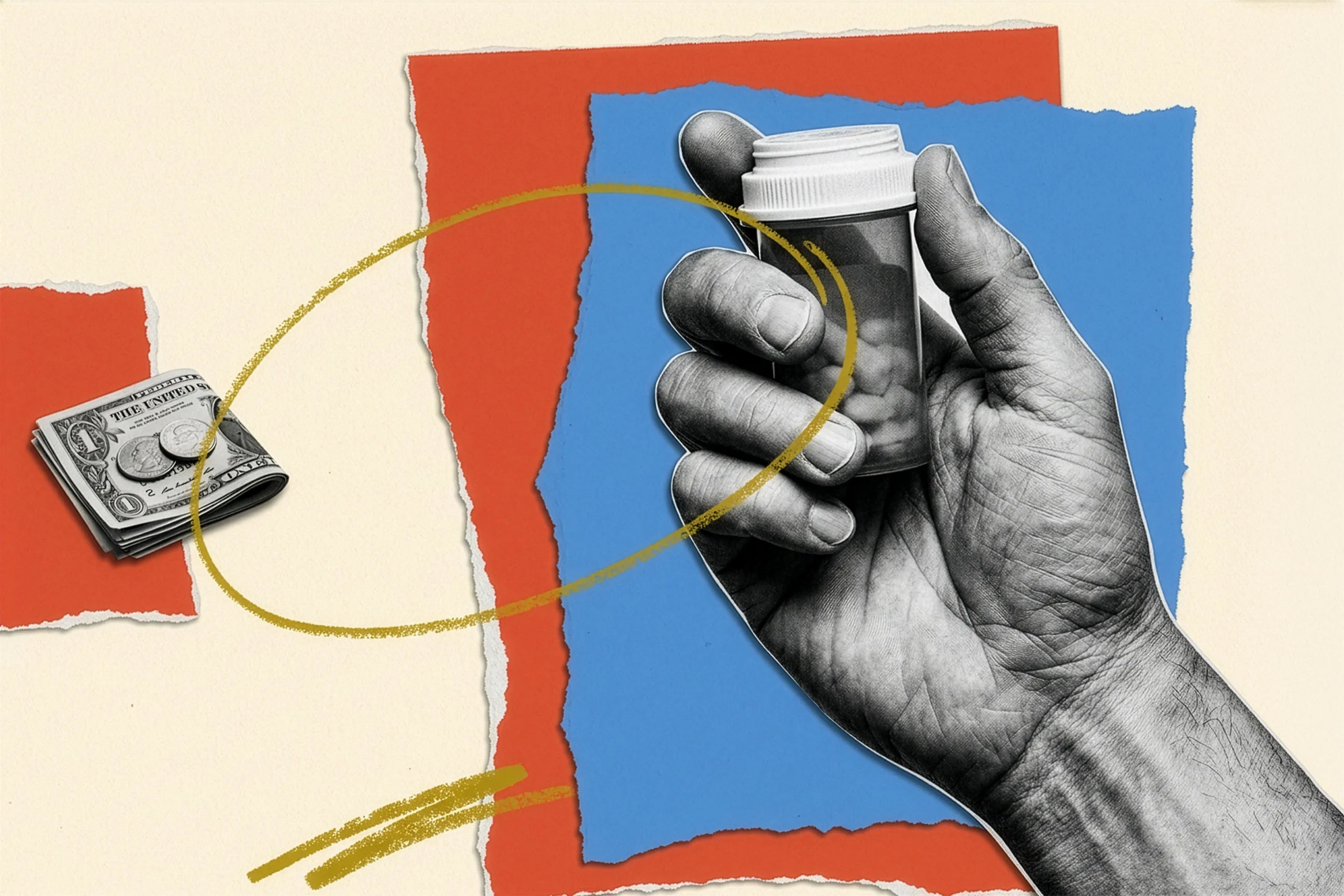
Many retirees have cash on hand to cover predictable monthly expenses, but it’s also important to set aside some money for a “hard-to-reach” emergency fund.
This account is only for extraordinary expenses separate from everyday expenses and planned retirement withdrawals.
How is an emergency fund different from regular savings
An emergency fund is for real emergencies, such as unexpected medical bills or urgent home repairs, instead of regular expenses or discretionary purchases. This fund acts as a financial safety net that can help you keep your remaining cash in the market with confidence. It can be kept in a high-yield savings account for quick access when you need it. That way, you can get a return on your idle money while you wait to use it for an emergency.
An emergency fund may not seem attractive when the stock market is doing well and the balance of your investment portfolio is growing but your emergency fund is not. However, that extra cash can help with expenses you may not see coming and allow you to avoid selling the investment at a loss.
Why retirees need one more than workers
An emergency fund is an important financial tool for people of all ages, but it can be especially important for retirees. Once you leave the workforce, you don’t get a solid paycheck to give you a financial cushion for unexpected debts.
While retirees can cash in on Social Security, pensions and investment portfolio withdrawals, they often don’t have the flexibility to meet emergency expenses. Also, Social Security cost-of-living changes may not match your personal rate of inflation based on how you spend your money, especially if you spend a lot of your money on health care, housing and insurance.
Retirees can sell their excess assets during emergencies, but that also comes with risks. If you have to sell an investment during a down market, you are locking in a loss that may be difficult to recover from later. Meaningful losses incurred due to emergency-related sales can strain your budget for years to come and reduce your retirement income. Those higher withdrawals can lead to higher taxes if you have traditional retirement plans.
How much should retirees keep in an untouchable fund
There’s no one-size-fits-all number, but retirees often need a bigger cushion than the typical three to six months’ worth of expenses recommended by financial advisors for low-income earners. Some retirees have health problems that can turn into a need for long-term care. That can be expensive, and it’s good to have some money set aside just in case. Retirees with high medical expenses and dependents will need more money than someone with a guaranteed income and low housing costs.
If you happen to withdraw from your emergency fund due to an emergency, you should aim to fill it as soon as possible. That may mean cutting back on discretionary spending and focusing on the important things. Setting aside enough money to cover up to one year’s expenses in this fund can give you the cushion you need to cover any unexpected expenses.