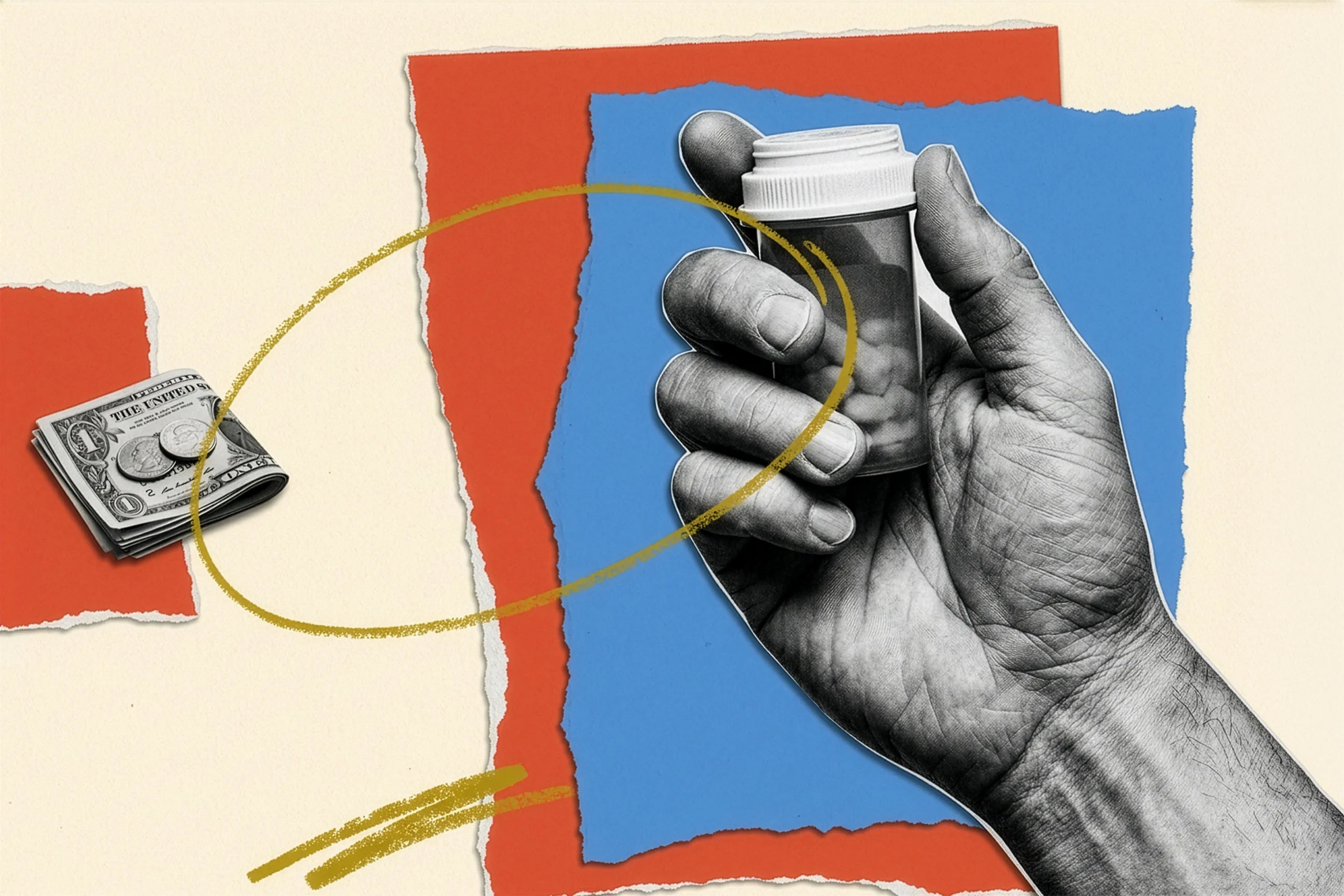
A solid retirement plan does not assume that your financial situation and lifestyle will remain static.
When you retire, monthly expenses will change, your portfolio may change when it’s time to retire and health care costs may increase. Planning for a “bad year” can help you determine whether you can withstand many obstacles.
Why some retirement plans fail
Generally, a retirement plan works until the projected returns and inflation are against the retiree’s expectations. Inflation can rise suddenly and require high withdrawals. That could coincide with a market correction, which would force retirees to sell more of their stocks to meet the same liabilities.
Although rules of thumb can help, the circumstances of retirees can vary greatly from year to year. Some years bring a market decline of 20%, while other years produce gains of more than 20%. What makes a “bad” year will vary from one retiree to the next, but can include a bear market, unexpected medical bills, home repairs, high inflation or the loss of some income, such as a part-time gig.
It may not be fun to plan for bad years, but it is necessary.
What constitutes a ‘bad year’
A cash buffer is important in a “bad” year as it can help you not rely on selling investments during market corrections. Many financial advisors say that retirees should have enough money to cover living expenses for a year or two. Consider the gap between income streams like Social Security and your monthly expenses when calculating how much buffer money you need.
You may also want to create spending levels that separate needs from wants. For example, you can cut back on travel and eating out if you’re having a bad year, but you can’t stop paying your utility bills. Cutting costs in any way you can will reduce how much you have to take out of your portfolio to stay active. Fewer portfolio withdrawals can reduce the long-term impact a correction can have on your value.
Taking on another gig during a bad year can provide an additional backstop of income, in addition to Social Security, pensions, annuities and any other sources of income. Homeowners may also want to consider entering into a portion of their home equity – although that comes with additional risk, and is a move you should consider carefully.
You’ll also need to plan for taxes and, depending on your age, minimum distributions (RMDs).
How to evaluate your plan before retirement
Assessing your plan before retirement can help you determine whether retirement makes sense for you right now. Start by evaluating how your plan would change if your portfolio suddenly dropped by 20% and inflation rose higher than expected. You should also consider how your nest egg might change if you need to cover emergency expenses.
You can review your current spending habits to see which expenses are important and which ones you can cut back on. This information can help you find a more flexible retirement date. Working a few more months can strengthen your cash buffer so you can avoid selling stocks for more than a year if needed. All of this information will also indicate the best time to enter Social Security benefits, which greatly affects your guaranteed income in the long run.
You don’t need a complete plan. You just need to prepare yourself, monitor your finances and make changes along the way.