The TL;DR
- Oil rose above $110 as risks around Iran and the Strait of Hormuz intensified.
- Markets are distorting prices now, long before any final military outcome is clear.
- The real economic damage starts from high energy costs, inflationary pressures, and business uncertainty.
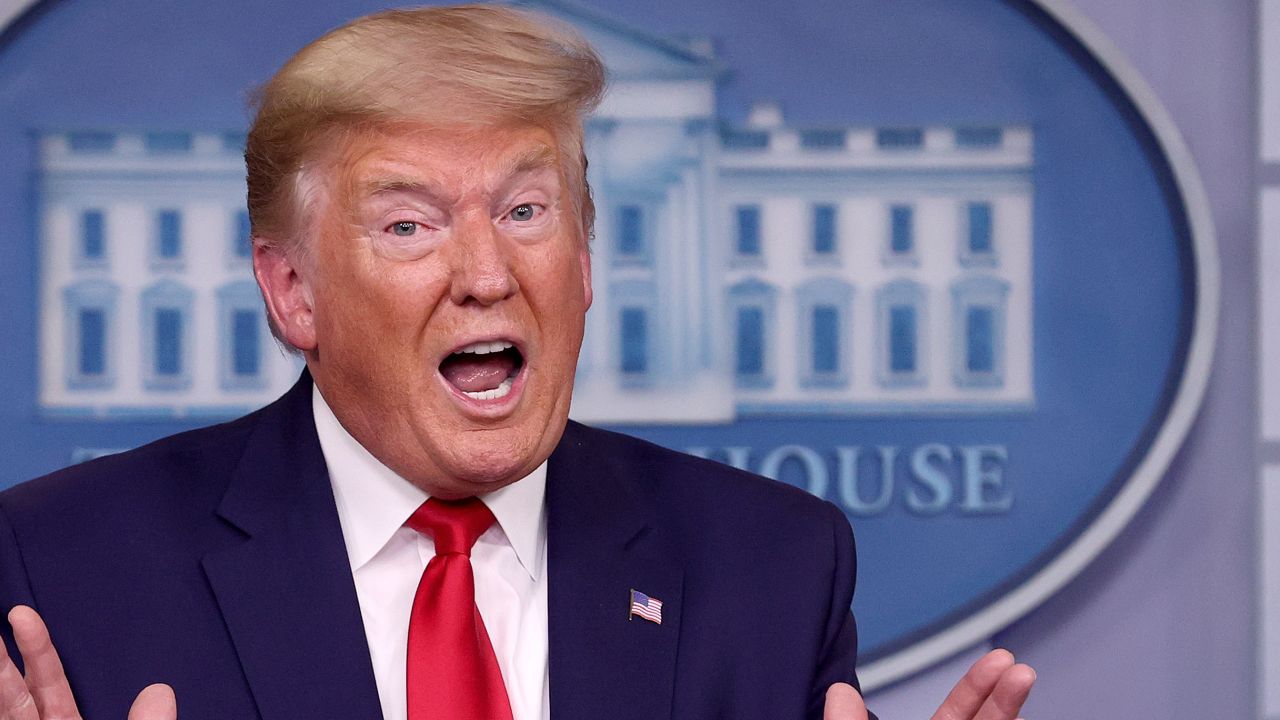
Donald Trump’s threat to “take out” Iran overnight is not just a national topic. It is already factoring into oil prices, market volatility, and the cost of everyday economic activity. Within a few hours of growth, volatility increased significantly and investors began to reassess the risk across all equities, currencies, and interest rate expectations.
Most people think that financial damage from conflict starts when infrastructure is destroyed or trade is physically disrupted. In fact, the first and most immediate losses occur early, when markets begin to factor in uncertainty about energy, transportation and capital costs. That change is already underway, and that’s why this issue is more important than foreign policy.
Why did markets react so quickly?
Markets do not wait for confirmation; they respond to a credible threat. When Trump linked the military escalation directly to the reopening of the Strait of Hormuz, the potential for disruption in the world’s vital energy corridor increased in the eyes of traders and businesses alike.
The result was a quick recovery. Oil rose above $110 per barrel, equity markets retreated, too expectations about inflation and interest rates have changed. Investors who thought the conflict contained or a political solution was imminent began to reevaluate that idea. What this means in practice is that economic results begin as soon as the range of results increases, not when a specific result is guaranteed.
This is where the first layer of loss occurs. Companies hedge fuel pricesairlines adjust fares and routes, and investors seek compensation for uncertainty. None of this needs to be scaled up to continue; it only requires the perception that the rise is felt.
What mechanism drives financial impact?
At the heart of this story is The Strait of Hormuzone of the most important points in the world’s energy system. A significant part of the world’s oil and gas supply passes through this corridor, which means that any threat to its stability immediately affects world prices.
When access to that channel becomes conditional on political or military outcomes, the system reacts in predictable ways. Energy prices are rising, transportation costs are rising, and supply chains are facing new conflicts. These costs then ripple outward through the economy, affecting everything from production to retail prices.
The key decision point here was not whether the conflict would fully escalate, but whether the markets believed the risk to Hormuz was now tangible. Once that limit is exceeded, higher electricity prices become a reasonable baseline rather than a worst-case scenario.
From there, the transfer process is straightforward. Higher energy costs feed into logistics, manufacturing, and ultimately consumer prices. Businesses may absorb those costs through reduced margins or pass them on, contributing to inflation. At the same time, central banks must reconsider whether inflation will remain high, which in turn affects borrowing costs and investment decisions.
What do people misunderstand about stories like this?
A major misunderstanding is to treat this type of increase as primarily political theater rather than economic management. Although the speech draws attention, the financial system responds to benefits and obstacles, not tone.
If the leader shows that the main trade route is tied to military results, every participant in the system adjusts the behavior. Shipping companies consider alternatives or higher insurance costs. Airlines are bracing for continued fuel volatility. Companies are evaluating whether they can lock in higher input costs or delay investment decisions. Consumers end up getting the impact of rising prices.
What this means in practice is that the economic consequences are not delayed until the conflict is resolved. They begin as soon as the system begins to adapt to a high-risk environment. The speed of that adjustment is often underestimated because it occurs at a rate rather than a visible disruption.
There is also a psychological aspect. Markets are very sensitive to volatile or volatile indicators, especially when the results range from a rapid contraction to a long conflict. The wider the potential outcomes, the higher the risk premium applied to all assets.
Why is this important for business?
Because uncertainty is neutral; it is expensive. I the financial system interprets geopolitical risk to higher costs of energy, transportation, and capital almost immediately, and those costs are passed on to businesses and households.
For companies, exposure is rarely limited to direct energy use. It comes from transportation contracts, supplier prices, imported goods, and customer demand. A business that believes it is protected from oil price movements often finds that its cost base is tied to energy in many ways.
For consumers, the impact is more visible. Prices of fuel, air fares, and goods affected by transportation and manufacturing costs begin to rise. Changes in inflation expectations, which can affect interest rates and borrowing costs, affect mortgages and broader spending.
This is where the danger lies. It is not only in the geopolitical event but in the way that event changes prices in all interconnected systems. The initial shock may come from a political decision, but the lasting impact is economic.
The real lesson behind the article
The key insight is not that global tensions affect markets; that is already well understood. The most important point is when and how that effect begins.
Many people focus on the end of the chain, where physical disorders and visible injuries occur. In fact, financial results are front-loaded. They appear at a time when stability becomes uncertain and is extended by price movements that affect the entire economy.
This reveals that the true cost of a national threat is often determined before the outcome is known, as markets price dangerous goods across energy, transportation, and capital before the conflict is resolved.