Mexico and the European Union are moving to cut tariffs and expand trade ties as governments and businesses grow increasingly concerned about the future of global trade under growing political and economic pressure.
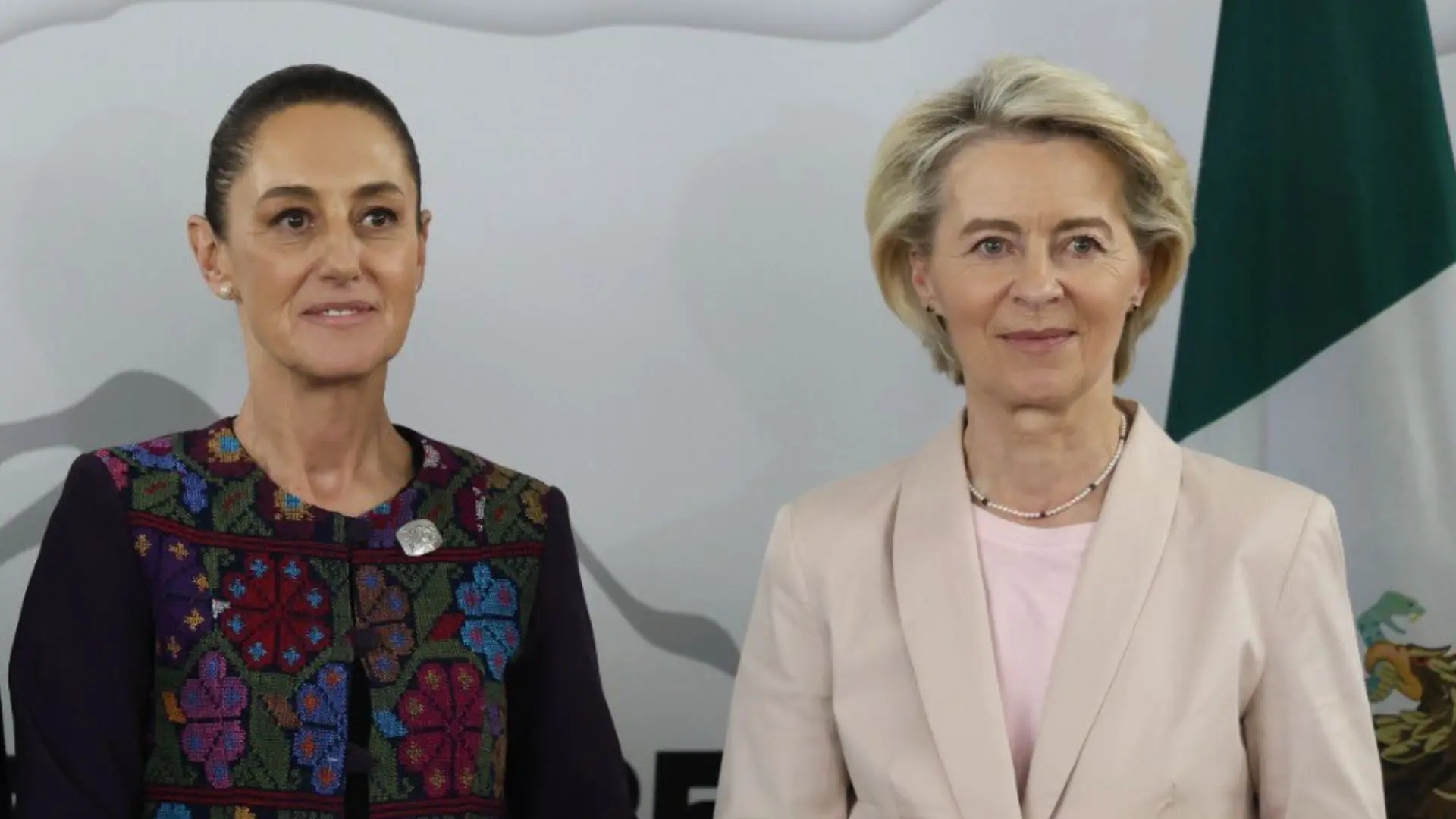
The revised agreement, which will be signed on Friday by the President of Mexico Claudia Sheinbaum and the President of the European Commission Ursula von der Leyenremoves many of the remaining barriers to goods and investment between Mexico and the EU at a time when companies are trying to protect themselves from tariffs, supply chain disruptions and regional tensions.
The deal comes as businesses across Europe and Latin America rethink how much they want to depend on the United States after years of tariff disputes and unpredictable trade wars linked to the President. Donald TrumpEconomic policies. What was once considered a stable global trade system now feels less reliable to manufacturers, exporters and investors who depend on long-term planning to manage costs, protect profits and keep hiring strong.
The auto industry is expected to benefit the most from the deal because manufacturers on both sides have spent years dealing with high production costs, shipping delays and uncertainty surrounding the cost of industrial goods and auto parts.
By making it easier to move products between Mexico and Europe, the agreement gives companies another route to larger markets while reducing exposure to direct tariff pressures tied to the United States.
Mexico is facing the highest pressure because large parts of its economy rely heavily on exports and border production linked to North America. Millions of workers depend on industries linked to international supply chains, and investment decisions can slow down quickly when companies are uncertain about future tax costs or access to key markets. Businesses tend to be more cautious about expanding production, opening new facilities or increasing employment when trade rules begin to change unexpectedly.
Authorities in Mexico are increasingly pushing to strengthen economic ties outside the United States as concerns grow that future political conflicts in Washington could spill over into trade and manufacturing as well. President Sheinbaum has repeatedly emphasized the importance of expanding Mexico’s international relations rather than relying too much on a single market that could become more volatile during future tax wars.
European manufacturers are facing their own financial crisis after a difficult few years marked by weak growth, soft industrial demand and high energy costs that have weighed on parts of the continent’s manufacturing base.
Mexico now offers something even more important to European companies looking for stable access to North America because many goods produced there continue to benefit from low tariff treatment under the USMCA agreement with the United States and Canada.
That benefit is becoming more important as businesses pay more attention to global political risk. Companies once focused on low production costs are now assessing where future trade conflicts might arise and how quickly tariffs or political pressure could disrupt supply routes that have taken decades to build.
Trade between Mexico and the European Union has already increased by nearly 75 percent over the past decade, and both sides are now trying to deepen that relationship before economic tensions escalate. Governments and companies are also becoming increasingly wary of over-reliance on China-linked manufacturing after years of supply shortages have exposed how fragile parts of the global manufacturing system have become during times of crisis and political conflict.
Earlier this week, the European Union also moved to ease a separate tariff dispute with the United States by agreeing to implement an agreement to impose a 15% tariff on most European goods entering the American market.
Although Mexico still enjoys low average tariffs under the USMCA agreement, broader concerns are spreading in global business circles as companies increasingly question how stable international trade relations will remain over the next few years.
The fear now goes beyond the cost per capita as companies are forced to redesign supply chains, rethink factory locations and spread the risk of production across multiple regions in the event that political conflicts restructure access to large markets again.
Those decisions will be final and influence where future investment flowswhere industrial jobs are created and how much consumers end up paying for goods if trade tensions continue to spread across the world economy.