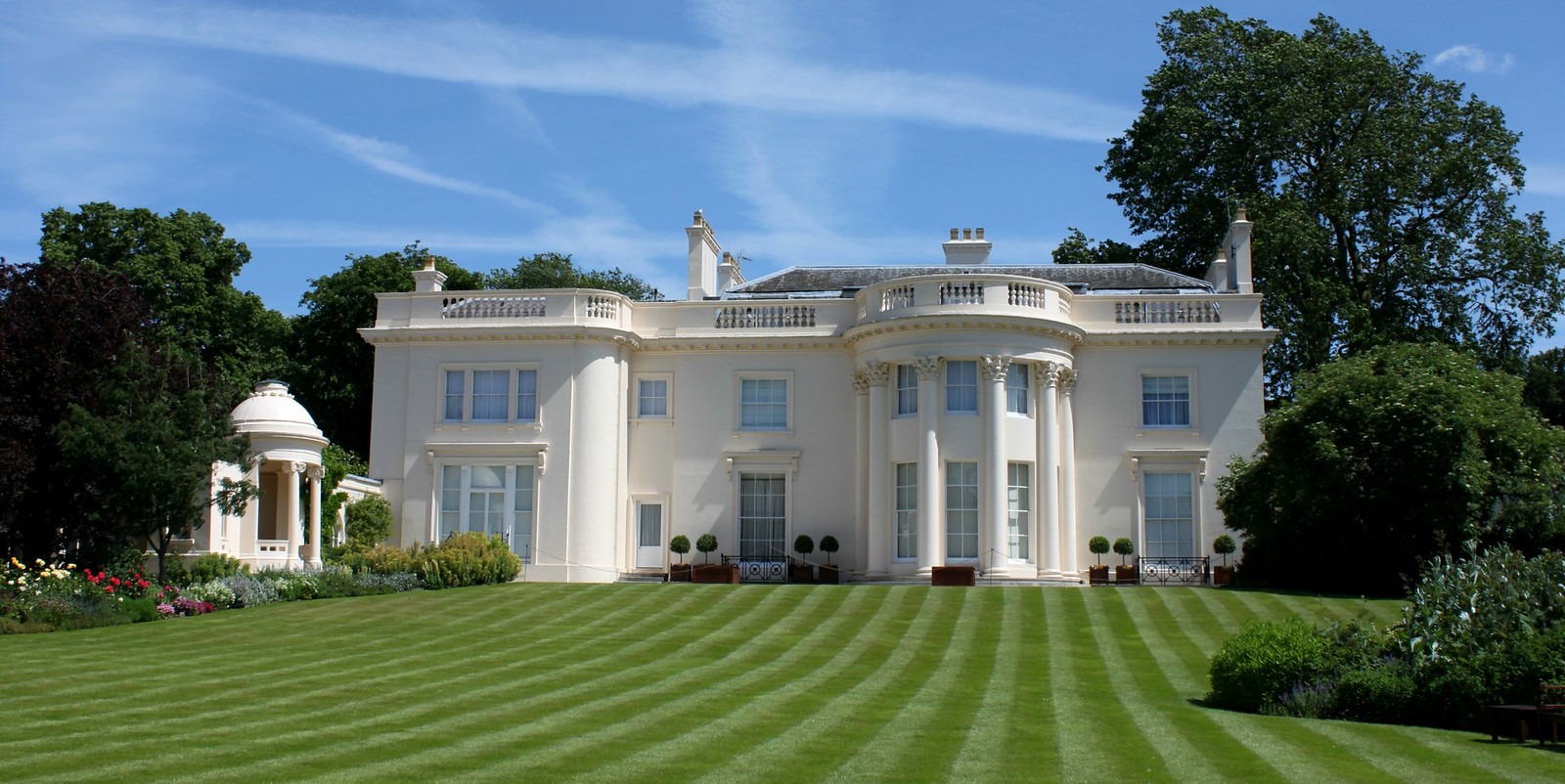
A Regent’s Park mansion is closing in on a £190mn sale, placing it firmly in the group of London’s most expensive residential projects and underscoring that record prices at the top of the UK housing market continue to rise as ownership becomes increasingly elusive.
The Holme, a 40-bedroom property set in four acres of private gardens, has reportedly changed hands again less than two years after being bought for £139mn, highlighting how high-end London property operates in a cycle defined by the movement of fast cash rather than traditional long-term ownership.
The deal sits in a market segment that has repeatedly produced some of London’s most expensive properties, including recent transactions in Chelsea and Belgravia that reached more than £250mn. Although the ownership of buyers and sellers often remains unknown, these properties are part of a small group of high-end properties that consistently define London’s place in the global real estate world.
In this case, ownership is organized through trust systems linked to corporate service providers, which maintain complete control without public view. These structures are legal and widely used to sell high-value properties, but they continue to raise questions about transparency in a market where some of the world’s most expensive homes are held through layered financial vehicles rather than outright ownership. The result is a segment of the housing market where record prices are visible, but ownership is often invisible.
The rapid resale of The Holme at a record high underlines the continued demand at the top of the market. In contrast to the wider UK housing market, where high borrowing costs have reduced activity and reduced affordability for many home buyers, ultra-prime purchases remain largely protected from mortgage conditions. Wealth preservation, currency diversification, and cross-border capital allocation continue to drive activity at a very high level, with London property being treated less like real estate and more like a store of value.
This division has created a clear division in the housing system. Finally, capital circulates rapidly with trophy properties constantly appearing among the most expensive houses in London and around the world. Beneath that layer, employment has been severely constrained, with middle-class consumers facing tighter borrowing and solvency conditions as interest rates filter through the economy. The difference in behavior between the two layers is more pronounced with each high-value function.
Trust structures play an important role in maintaining that divide. Although they are often used in wealth management, they allow ownership of high-value properties to be held indirectly, limiting visibility of who ultimately controls some of London’s most valuable real estate. That obscurity has become a defining feature of the ultra-prime segment, where the understanding and movement of funds often outstrips public disclosure.
At the same time, London continues to be counted among the world’s centers of bargain sales, with many buildings now competing for the title of the most expensive house in the UK and, in some cases, the world. These headline projects sit alongside a calm domestic housing market that has put pressure on affordability and slow profits, reinforcing the idea that the city’s housing system operates in two distinct cycles.
As the £190mn Regent’s Park deal nears completion, we add another data point to a market that is increasingly characterized by extremes.
At the top, ultra-prime assets continue to change hands at record or near-record levels, often without public visibility. Below that level, conditions remain tight and very sensitive financial pressure. The gap between the two is widening in both behavior and access, leaving London’s housing market increasingly torn between global capital flows and domestic affordability constraints.