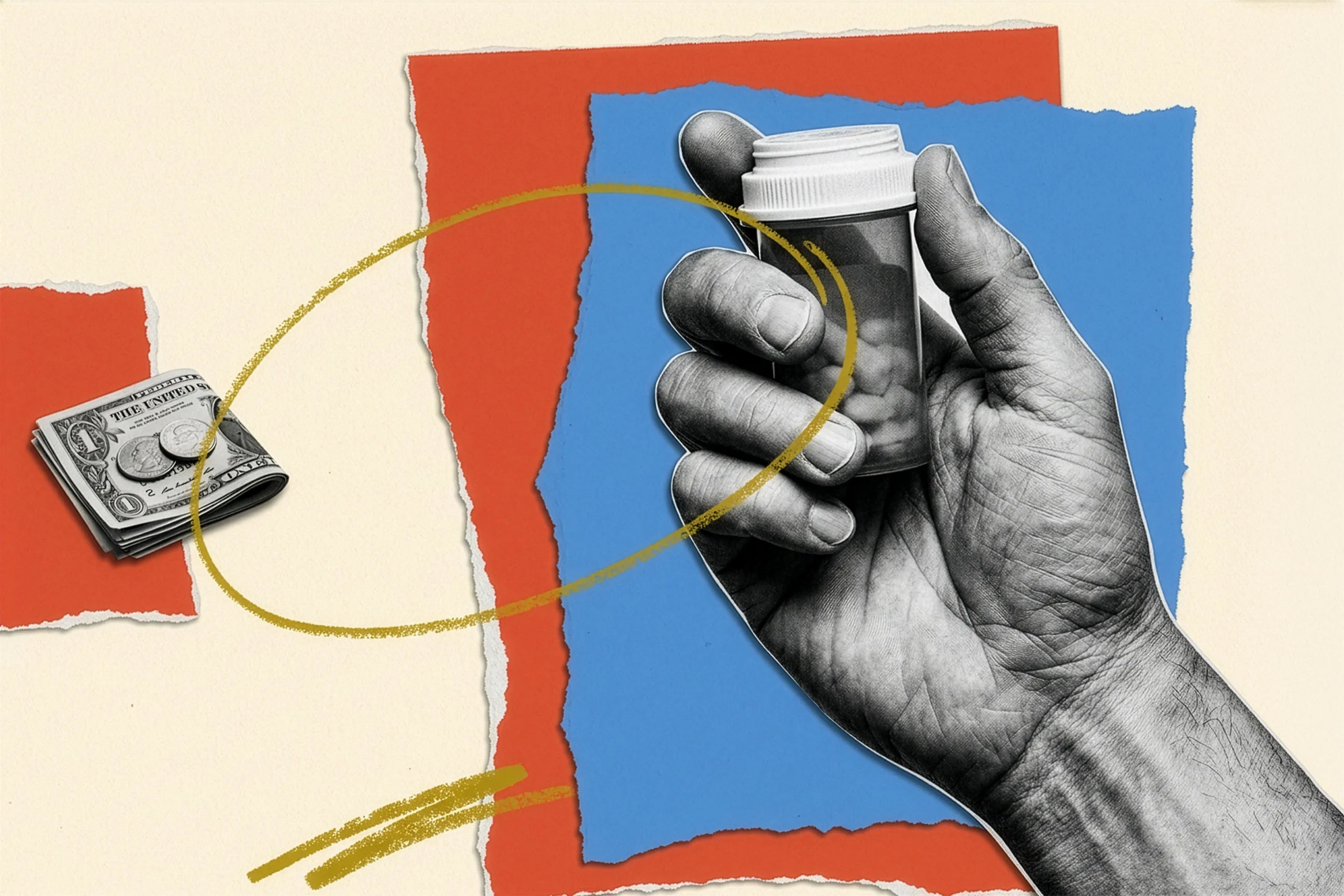
If you retire at age 67 but don’t want to apply for Social Security until age 70, you face three years before your government benefits can help cover your expenses. While some people may not feel comfortable digging into their money, waiting those extra years can allow you to maximize your Social Security benefits from waiting for big paychecks.
Here’s what you need to know about a bridge plan that allows retirees to delay Social Security and protect higher monthly checks for life.
Why spending money first can make sense
Spending cash on living expenses before claiming Social Security is a popular strategy that helps retirees protect larger paychecks in retirement. This “bridge” strategy can be especially useful for people who are worried about outliving their savings or falling behind in inflation.
Social Security is adjusted for inflation each year. Also, the longer you wait to claim age 70, the greater your benefits. Earning high returns means you won’t have to dip into your investment portfolio as much once you turn 70.
Claiming Social Security early reduces your benefits. That may be the best move for you depending on your specific situation, but it’s best to consider all of your options.
Who does this strategy work best for – and who should be careful
The bridge strategy is not for everyone. Sometimes, it makes the most sense to access Social Security as soon as possible. A bridge strategy usually makes sense for people who are in good health, have a long life in their family and enough savings to cover near-term expenses.
However, if you have very little savings, a bridge strategy may not be possible. This strategy may also not make sense for people with health problems, high-interest debt or an immediate need for income. If you’re married, the higher earner may want to wait before filing for Social Security as long as possible until age 70 because that can protect a higher survivor benefit if the lower-earning spouse overtakes the higher-earning spouse.
It is also important to avoid taking out your emergency savings altogether when using a bridge strategy. Even if you end up with a large Social Security benefit, you risk unexpected expenses like home repairs if you exhaust your savings.
Taxes, investment and withdrawal order
If you have multiple retirement accounts, how you withdraw from each one will affect your taxes. Relying on cash instead of a traditional individual retirement account (IRA) or 401(k) during the early years of your bridge plan can reduce your taxes. However, if you let your traditional retirement plan grow to a large amount, you risk higher required minimum distributions (RMDs) when you turn 75, assuming you were born in 1960 or later.
Withdrawals from Roth IRAs are tax-free. If you expect a higher income later in life due to Social Security and 401(k) withdrawals, it may be better to hold off on Roth IRA withdrawals when using a bridge strategy.
The correct withdrawal order depends on factors such as your age, account types, taxes, health needs and expenses. You may want to consider working with a financial advisor to plan a strategy that’s right for you.