Bitcoin has gone from niche interest to mainstream investment in just over a decade. But while crypto trading has never been easier, the ins and outs of buying and selling it are still complicated – and there are plenty of risks you need to understand before you get started.
Like most cryptos, bitcoin is highly volatile: Its price can fluctuate by double-digit percentages in a single day, often due to unexpected factors like a bad news cycle or a celebrity tweet. This is not a reason to avoid it completely, but it is a reason to start slowly.
Some exchanges let you buy bitcoin for as little as $1, which is a reasonable place to start. A general rule of thumb among financial advisors is to not put more than 5% of your portfolio in volatile assets like bitcoin.
That said, here is our step-by-step guide to making your first bitcoin purchase.

1. Choose a crypto exchange
Crypto exchanges are specialized platforms where buyers and sellers trade digital assets. Think of them as stock brokerages, but with cryptocurrency. Choosing the right exchange, as it will directly affect the security of your funds, your payouts and your overall trading experience.
For first-time buyers, look for exchanges registered with US regulators that have a strong track record of receiving user funds. The platform you choose should also be clear about its fees and easy for beginners to navigate. Trading platforms like SoFi allow you to trade crypto alongside other financial assets, including stocks.
Beginners may want to avoid decentralized exchanges, which operate as peer-to-peer platforms. While experienced traders enjoy the added privacy and access to a wider variety of tokens, they lack the liquidity and financial monitoring of centralized exchanges.
2. Create and verify your account
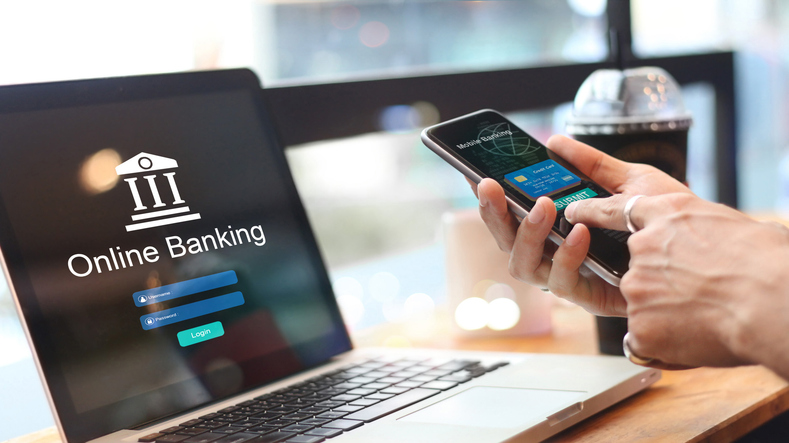
Registering with a crypto exchange looks like creating an account with many financial apps: You provide some personal information, create a password and verify your identity. Central exchanges in the US also require you to upload a government-issued photo ID and sometimes take a selfie as part of the process.
The authentication process of these platforms can be a source of discomfort for investors concerned about online privacy. But it’s a regulatory requirement, not a red flag. The government is asking traders to do this to avoid money laundering and terrorist financing.
Verification can take anywhere from a few minutes to a few days, depending on the platform and the completeness of the documents you submitted. While you’re waiting, enable two-factor authentication, which adds a second layer of security to your account before any transactions take place.
3. Deposit money into your exchange account
Once your identity is verified, you will need to deposit money into your crypto exchange account. Most exchanges offer several methods of funding:
- ACH bank transfer. This is an affordable option, although transfers usually take two to five business days to process.
- debit card. Your funds will be available quickly, but the fees are high, usually between 2% and 4% of the transaction amount.
- Wire transfer. Although this method is suitable for large deposits and is processed quickly, the issuing bank may charge a fee.
Always check your exchange’s fee schedule before choosing a transfer method. For small purchases in particular, financing fees are a significant percentage of the total investment. Seemingly small amounts can add up quickly over time.
4. Place your first purchase order
Once the funds are in your account, you are ready to start shopping. Search for bitcoin by its ticker symbol — BTC — to make sure you’re buying the right asset.
For your first purchase, a market order is the easiest option: You pay the current price and the transaction starts immediately. A limit order allows you to set your price and wait for the market to meet it, but it adds a layer of complexity that a first-time buyer may want to avoid, as you must decide how long the order remains active. You will also need to monitor the order, as it may never go through if the item does not meet your specified price.
Before confirming a transaction, review your full costs, including platform fees. Buying $100 of bitcoin may come with anywhere from $1 to $5 in transaction fees, depending on the exchange and how you fund your account. After the transaction is confirmed, save a copy of the receipt — you’ll want a record of what you paid at tax time.
5. Decide where to store your bitcoin
Any bitcoin you buy through the exchange will end up in a crypto wallet managed by the platform. Crypto wallets are software applications or hardware devices that store your private key, a randomly generated alphanumeric code used to authorize transactions and verify ownership of assets on the blockchain.
Leaving small amounts of bitcoin in your exchange wallet is fine, in theory. But when your crypto is sitting on an exchange, the exchange has its own authority. That means your funds could be at risk if the platform gets hacked or goes out of business, like what happened when FTX crashed and billions of dollars in lost customer money. With large amounts of bitcoin, moving it to your wallet can be a smart decision because the money is in your hand and not in a third party’s.
If you don’t have your crypto’s private key, you don’t really own your coins. Holding the private keys in your wallet means that you are the only one – in control of your bitcoin. That’s something you should understand before you go beyond an entry-level investment.
6. Set realistic expectations
Once you make your first purchase, expect the price to fluctuate. Bitcoin’s volatility is a defining feature of the asset, so avoid the urge to check the app every hour or panic-sell the first time the price goes down – both common mistakes can be costly.
You must also keep records of all bitcoin transactions for tax purposes. The IRS treats cryptocurrency as an asset, meaning gains are taxable events. Your exchange may provide year-end tax forms, but keeping your records provides an extra layer of accuracy and protection.
More from Mali
The Basics of Owning Crypto: What First-Time Buyers Need to Know
The best Crypto exchange
Best Crypto Wallets