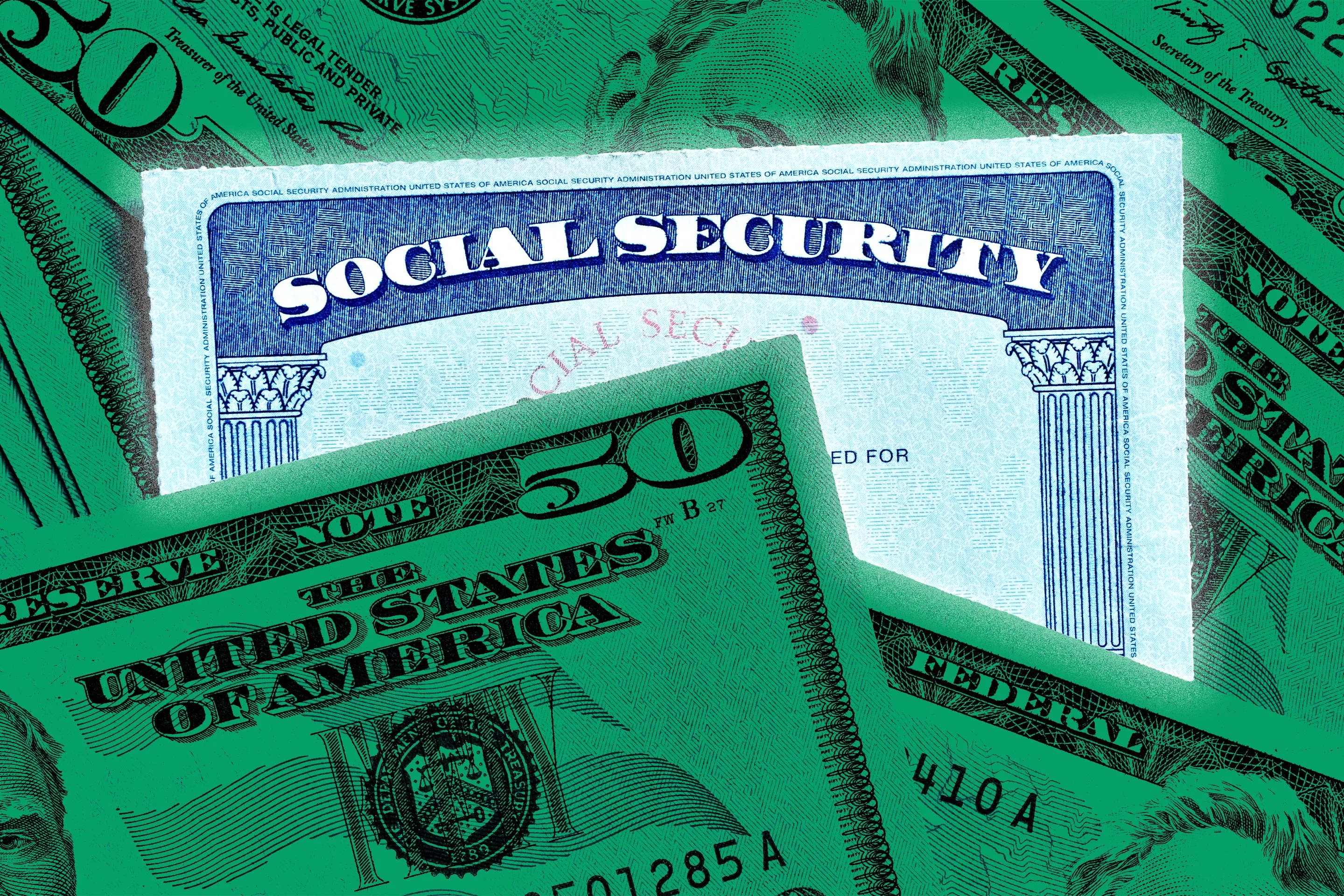
Due to inflation, millions of Social Security recipients could see a significant increase in their monthly payments by 2027.
The Social Security Administration’s annual cost-of-living adjustment, or COLA, is expected to rise between 3.9% and 4.2% next year, according to estimates released Tuesday based on the latest inflation report.
According to the Labor Department, prices rose more than expected by 3.8% in the year ending in April, mainly because of the ongoing war in Iran, which caused oil prices to rise.
For elderly and disabled Americans who rely on Social Security benefits, a “big jump” in oil prices, in particular,s strain on their budgets, said Mary Johnson, an independent policy analyst for Social Security and Medicare who predicts a 4.2% COLA.
For example, Johnson notes that residential heating oil costs have increased by 54.3%. “And that’s not all,” he says: Coffee prices are up by about 30%., and fresh vegetable prices increased by about 12%.
2027 COLA may reach 5-year high
If the COLA reaches about 4% in 2027, that would mark the largest adjustment in benefits since 2022, when it reached 8.7% at the peak of the inflation crisis caused by the pandemic.
Each year, the Social Security Administration is required by law to recalculate benefits based on recent inflation trends to help payments keep pace with rising prices. However, the agency uses a different reading of inflation for urban and office workers, known as the CPI-W. In April, this inflation rate was slightly higher than the headline number, reaching 3.9%.
The official COLA will be announced in October.
Despite these built-in inflation protections, Social Security payments still fail many recipients, advocates warn. More than 70 million Americans rely on monthly Social Security checks. The lion’s share of them – approximately 57 million – are retired people.
In April, the average monthly retirement benefit was $2,026. A 4% increase would push that to $2,107, for an increase of about $81. However, retirees have to deal with rising costs in real time, with the potential $81 increase not coming for about seven more months.
According to the Senior Citizens League (TSCL) — the nonprofit advocacy group behind the 3.9% COLA forecast — that’s too little, too late.
“In volatile times like these, especially when driven by sudden national events, delays can erode purchasing power and highlight the disconnect between the cost of living and the formula used to adjust benefits,” Shannon Benton, executive director at TSCL, previously told Money.
A new study released Tuesday by the group clearly shows the impact. TSCL compared the purchasing power of Social Security benefits between 2016 and 2026 and found benefits lost 13.7% of their value over that 10-year period.
In other words, Social Security benefits would need to increase by about $296 today to be able to buy the same amount of goods they could in 2016.